Showing posts with label Yugoslavia. Show all posts

Friday, August 17, 2012

Yugoslavia 5000 Dinara


Yugoslavia 5000 Dinara VF 1993
Front: Nikola Tesla (1856-1943)
Back: Museum of Nikola Tesla (Est. 1952)
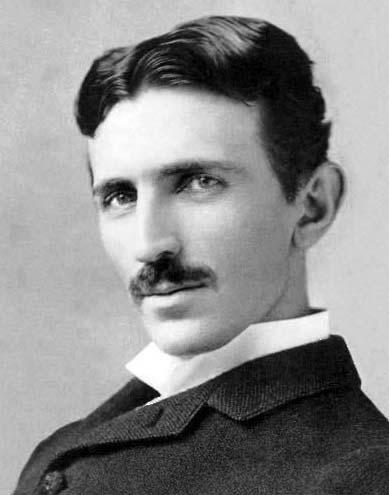


Nikola Tesla was a Serbian-American inventor, physicist, mechanical engineer, electrical engineer, and futurist. He is best known for his contributions to the modern alternating current (AC) electrical supply system. Tesla's patents and theoretical work helped formed the basis of wireless communication and the radio. His many revolutionary developments in the field of electromagnetism were based on Michael Faraday's theories of electromagnetic technology. Read more

The Nikola Tesla Museum is located in the central area of Belgrade. It holds more than 160,000 original documents, over 2,000 books and journals, over 1,200 historical technical exhibits, over 1,500 photographs and photo plates of original, technical objects, instruments and apparatus, and over 1,000 plans and drawings. The Nikola Tesla Archive was inscribed on UNESCO's Memory of the World Programme Register in 2003 due to its critical role regarding history of electrification of the world and, more importantly, future technological advancements in this area. The Nikola Tesla Museum is housed in a residential villa built in 1927 according to project of Dragiša Brašovan, a distinguished Serbian architect. The building was used for various purposes until December 5, 1952, when Nikola Tesla Museum was founded in accordance with the decision of the Government of the Federal People's Republic of Yugoslavia. The material for the museum was taken from New York bound for Belgrade, Yugoslavia on September 7, 1951 as a result of efforts by Sava Kosanovic, Tesla's nephew and closest relative (KGB agent, codename "KOLO", see American Espionage and Project Venona) and his attorney Wittenberg. It has been said this was "Tesla's will." No legal instrument or documentation bearing Tesla's signature has ever been found to substantiate this claim, nor has the Museum allowed an independent, unbiased researcher to verify the existence of such records. It is believed that Tesla died in testate.

It is a deviation from standard archival practice that Tesla's work is contained outside of the original geographical context in which his life occurred. Tesla was an American citizen, and considered his prize possession to be his naturalization papers. In contrast, he spent only 31 hours of his entire life on the present territory of modern-day Serbia. Over the past 60 years, a number of his papers have suffered water damage from neglect. This has led historians to consider it a disservice to Tesla that his trunks were removed from the United States of America in the first place. With renewed worldwide interest about Tesla's work in the areas of mechanical and electrical engineering, full and unhindered access is expected. However, it is certain that many original documents are uncataloged and have already been lost, stolen, censored or damaged. Read more

Information and Image Obtained From Wikipedia, the free encyclopedia

Sunday, July 8, 2012

Yugoslavia


Yugoslavia 50000000 Dinara 1993 VF
Front: Girl
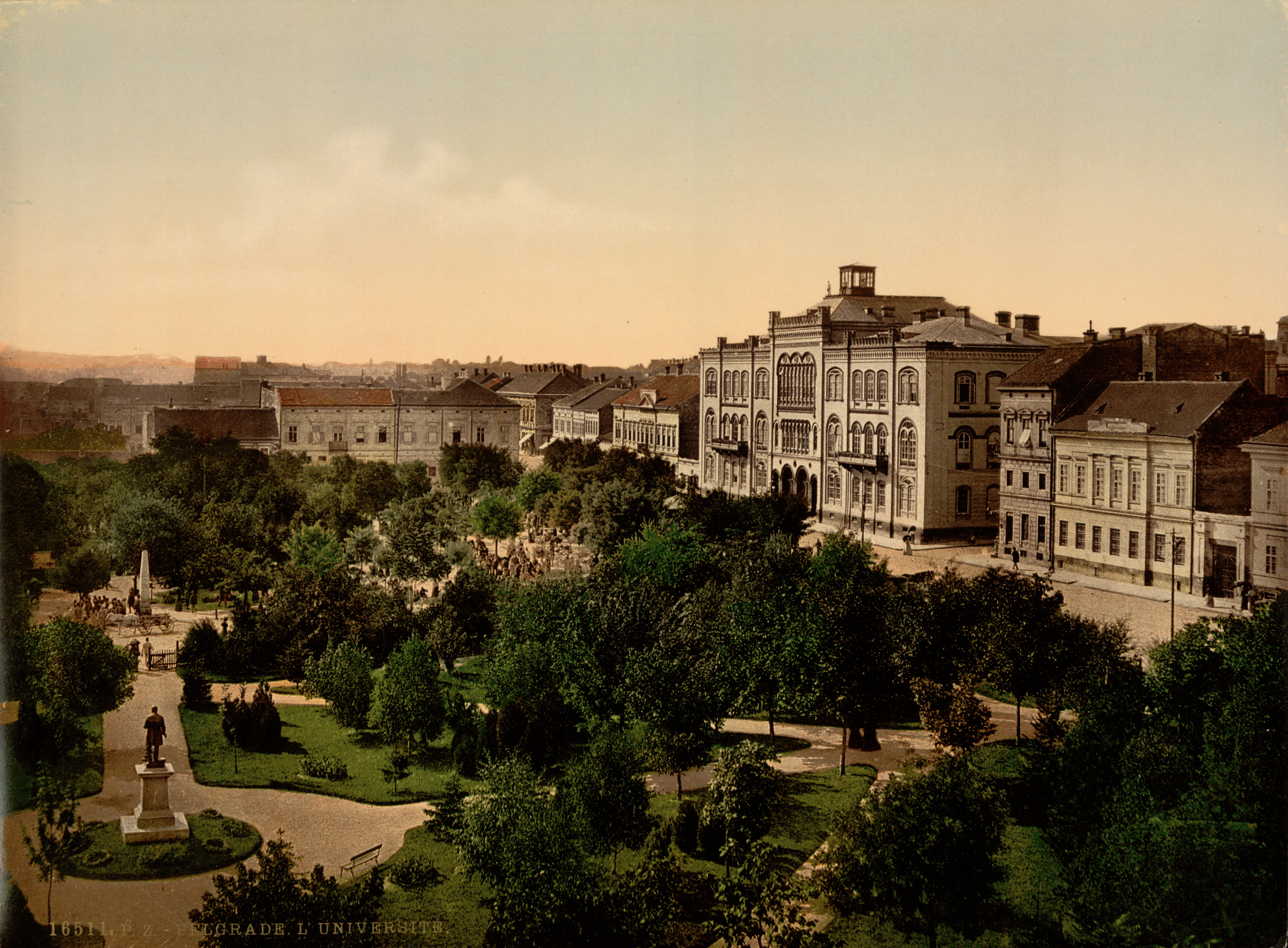
Back: University of Belgrade

The University of Belgrade is the oldest and largest university of Serbia.
Founded in 1808 as the Belgrade Higher School in revolutionary Serbia, by 1838 it merged with the Kragujevac-based departments into a single university. The University has nearly 90,000 students (including around 1,700 postgraduates) and over 4,200 members of teaching staff.

The University comprises 31 faculties, 8 research institutes, a system of university libraries and information centres, and the Belgrade University Library (Carnegie library). The faculties are clustered into five groups based on their academic characteristics.

Since its founding, the University has educated more than 330,000 bachelors, around 21,300 magisters, 29,000 specialists and 12,600 doctors.

The University building in 1890

Information and Image Obtained From Wikipedia, the free encyclopedia

Yugoslavia


Yugoslavia 20 Dinara 19/12/1974 UNC
Front: Ships at port dockside

Wednesday, May 12, 2010

Yugoslavia


Yugoslavia 5000 Dinara 1985 VG
Front: Josip Broz Tito 1892-1980
Back: JAJCE, a city in Bosnia and Herzegovina.

Josip Broz Tito (born Josip Broz; 7 or 25 May 1892 – 4 May 1980) was a Yugoslav revolutionary and statesman. He was Secretary-General (later President) of the League of Communists of Yugoslavia (1939–80), and went on to lead the World War II Yugoslav guerrilla movement, the Yugoslav Partisans (1941–45). After the war, he was the authoritarian Prime Minister (1943–63) and later President (1953–80) of the Socialist Federal Republic of Yugoslavia (SFRY). From 1943 to his death in 1980, he held the rank of Marshal of Yugoslavia, serving as the supreme commander of the Yugoslav military, the Yugoslav People's Army (JNA). Read more

Information and Image Obtained From Wikipedia, the free encyclopedia

Tuesday, September 1, 2009

Yugoslavia


Yugoslavia 50 Dinara 1931
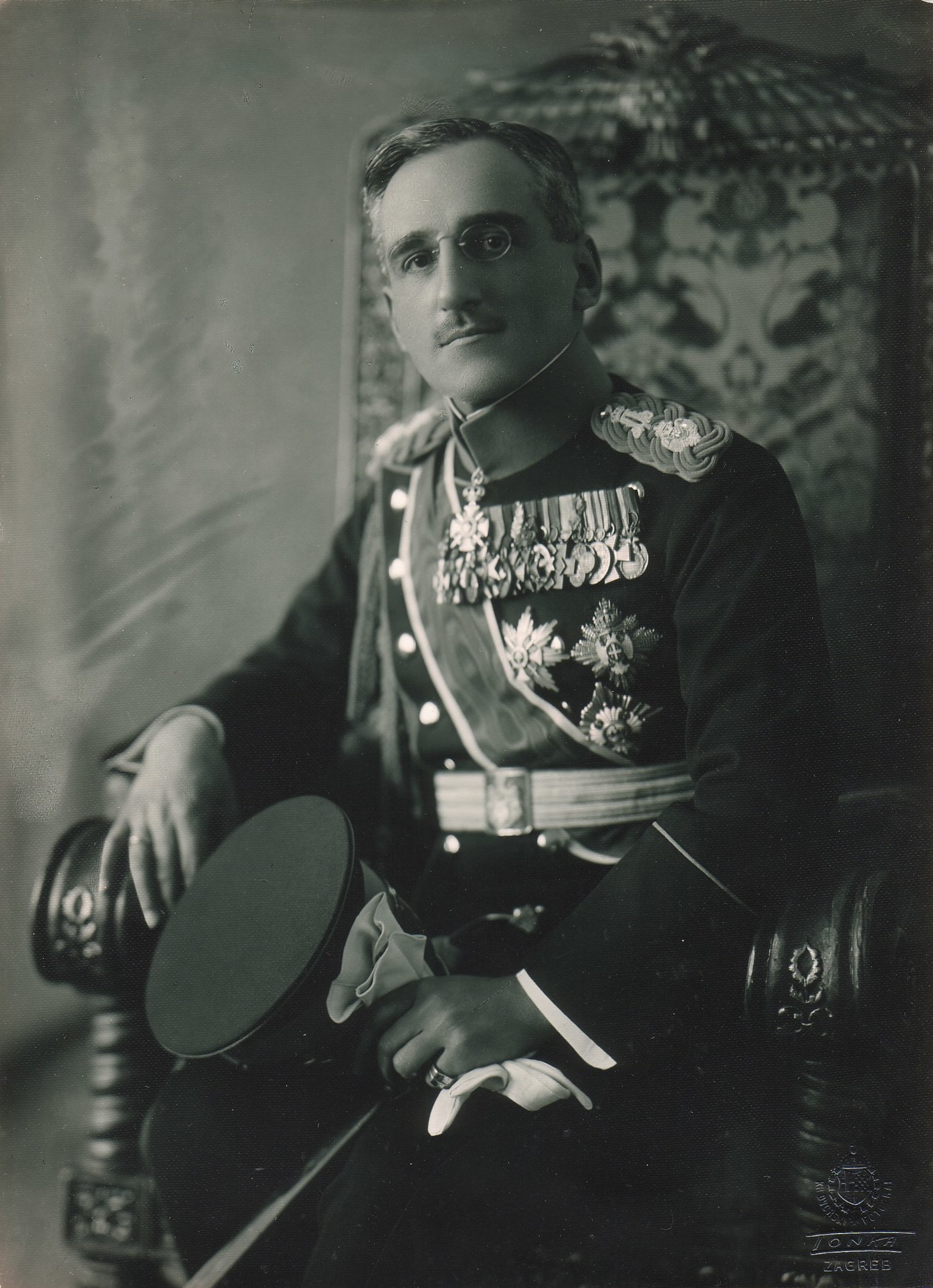
Front: King Alexander

On 1 December 1918, in a prearranged set piece, Alexander, as Regent, received a delegation of the People's Council of the State of Slovenes, Croats and Serbs, an address was read out by one of the delegation, and Alexander made an address in acceptance. This was considered to the birth of the Kingdom of Serbs, Croats and Slovenes. In 1921, on the death of his father, Alexander inherited the throne of the Kingdom of Serbs, Croats and Slovenes, which from its inception was colloquially known both in the Kingdom and the rest of Europe alike as Yugoslavia. On 6 January 1929, in response to the political crisis triggered by the murder of Stjepan Radić, King Alexander abolished the Constitution, prorogued the Parliament and introduced a personal dictatorship (the so-called "January 6 Dictatorship", Šestojanuarska diktatura). He also changed the name of the country to Kingdom of Yugoslavia and changed the internal divisions from the 33 oblasts to nine new banovinas on 3 October. In the same month, he tried to banish by decree the use of Serbian Cyrillic to promote the exclusive use of Latin alphabet in Yugoslavia. In 1931, Alexander decreed a new Constitution which transferred executive power to the King. Elections were to be by universal male suffrage. The provision for a secret ballot was dropped and pressure on public employees to vote for the governing party was to be a feature of all elections held under Alexander's constitution. Furthermore, the King would appoint half the upper house directly, and legislation could become law with the approval of one of the houses alone if it were also approved by the King. Read More

Alexander I, King of Yugoslavia
prev. King of Serbs, Croats, and Slovenes

Information and Image Obtained From Wikipedia, the free encyclopedia

Yugoslavia


Yugoslavia 1000 Dinara 1931 Circulated
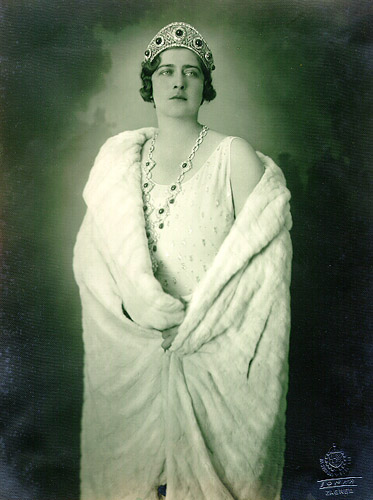
Front: Queen Maria of Romania


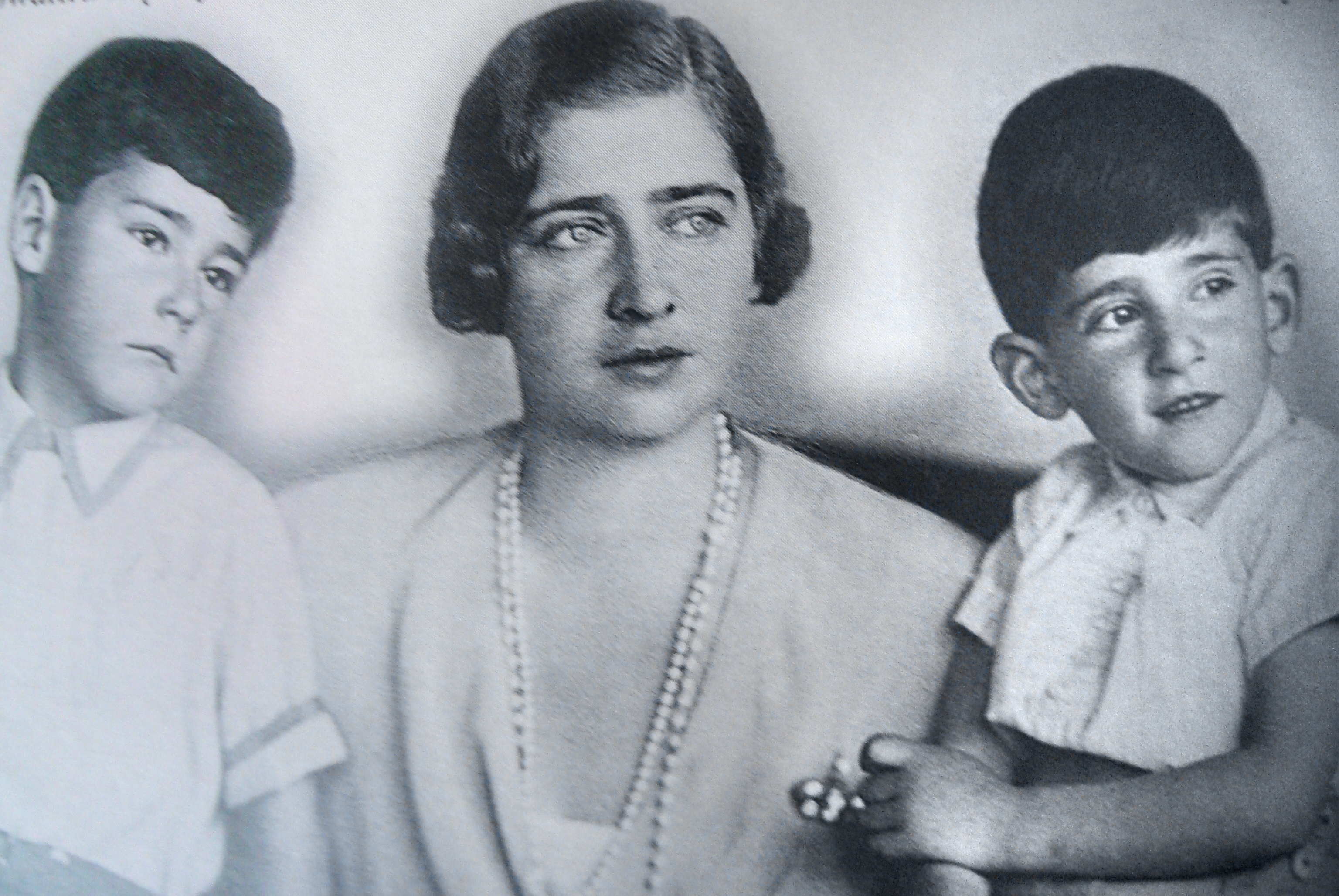
Maria of Romania (6 January 1900 – 22 June 1961) was queen consort to King Alexander I of Yugoslavia. Maria was born in Gotha, Thuringia in Germany, during the reign of her maternal grandfather Duke Alfred of Saxe-Coburg and Gotha, and during the Romanian reign of her granduncle King Carol I. She was known as Mignon in the family to distinguish her from her mother. Her mother was Marie of Edinburgh, a daughter of Prince Alfred, Duke of Edinburgh, a son of Queen Victoria of the United Kingdom. Her maternal great-grandfather was Emperor Alexander II of Russia. Maria's father was King Ferdinand I of Romania. She married Alexander I, King of the Kingdom of Serbs, Croats and Slovenes in Belgrade on 8 June 1922, and raised three sons:

* King Peter II (1923–1970)
* Prince Tomislav (1928–2000)
* Prince Andrej (1929–1990)

She became Queen Mother of Yugoslavia when, following the assassination of King Alexander in Marseille in 1934, her oldest son became Peter II of Yugoslavia, the last Yugoslav king. She moved to a farm in England and lived a relatively normal life, without royal extravagance. Maria was well educated. She spoke several languages fluently and enjoyed painting and sculpting. She also drove a car by herself[citation needed], which was very unusual at the time. She died in exile in London on 22 June 1961 and is interred at the Royal Burial Ground at Frogmore, which adjoins Windsor Castle. Queen Maria was well loved, and respected, by the people of Yugoslavia and continues to be well thought of. She remains, in the eyes of the Serbian people, one of the greatest humanitarian patron's of the Balkan region. Streets are named in her memory, such as “Ulica kraljice Marije” or “Queen Maria Street”, and numerous schools and other organizations still carry her name.


Queen Maria with her younger sons, Tomislav and Andrej

Information and Image Obtained From Wikipedia, the free encyclopedia
Yugoslavia


Yugoslavia 1000 Dinara 1941

Yugoslavia


Yugoslavia 100 Dinara 1929 G
Front: Woman with Sword
Back: Sailing Boats

Monday, April 13, 2009

Yugoslavia

The dinar was the currency of the three Yugoslav states: the Kingdom of Yugoslavia (formerly the Kingdom of Serbs, Croats and Slovenes), the Socialist Federal Republic of Yugoslavia and the Federal Republic of Yugoslavia. The dinar was subdivided into 100 para.


Yugoslavia 50 Dinara 1981
Front: Relief by Ivan Meštrović at the Parliament building in Belgrade
Back: Indication of value
Related Posts with Thumbnails