Showing posts with label French Inspired Banknotes. Show all posts

Monday, August 31, 2009

Yugoslavia, French Inspired Banknotes


Yugoslavia 50 Dinara 1931
Front: King Alexander

On 1 December 1918, in a prearranged set piece, Alexander, as Regent, received a delegation of the People's Council of the State of Slovenes, Croats and Serbs, an address was read out by one of the delegation, and Alexander made an address in acceptance. This was considered to the birth of the Kingdom of Serbs, Croats and Slovenes. In 1921, on the death of his father, Alexander inherited the throne of the Kingdom of Serbs, Croats and Slovenes, which from its inception was colloquially known both in the Kingdom and the rest of Europe alike as Yugoslavia. On 6 January 1929, in response to the political crisis triggered by the murder of Stjepan Radić, King Alexander abolished the Constitution, prorogued the Parliament and introduced a personal dictatorship (the so-called "January 6 Dictatorship", Šestojanuarska diktatura). He also changed the name of the country to Kingdom of Yugoslavia and changed the internal divisions from the 33 oblasts to nine new banovinas on 3 October. In the same month, he tried to banish by decree the use of Serbian Cyrillic to promote the exclusive use of Latin alphabet in Yugoslavia. In 1931, Alexander decreed a new Constitution which transferred executive power to the King. Elections were to be by universal male suffrage. The provision for a secret ballot was dropped and pressure on public employees to vote for the governing party was to be a feature of all elections held under Alexander's constitution. Furthermore, the King would appoint half the upper house directly, and legislation could become law with the approval of one of the houses alone if it were also approved by the King. Read More
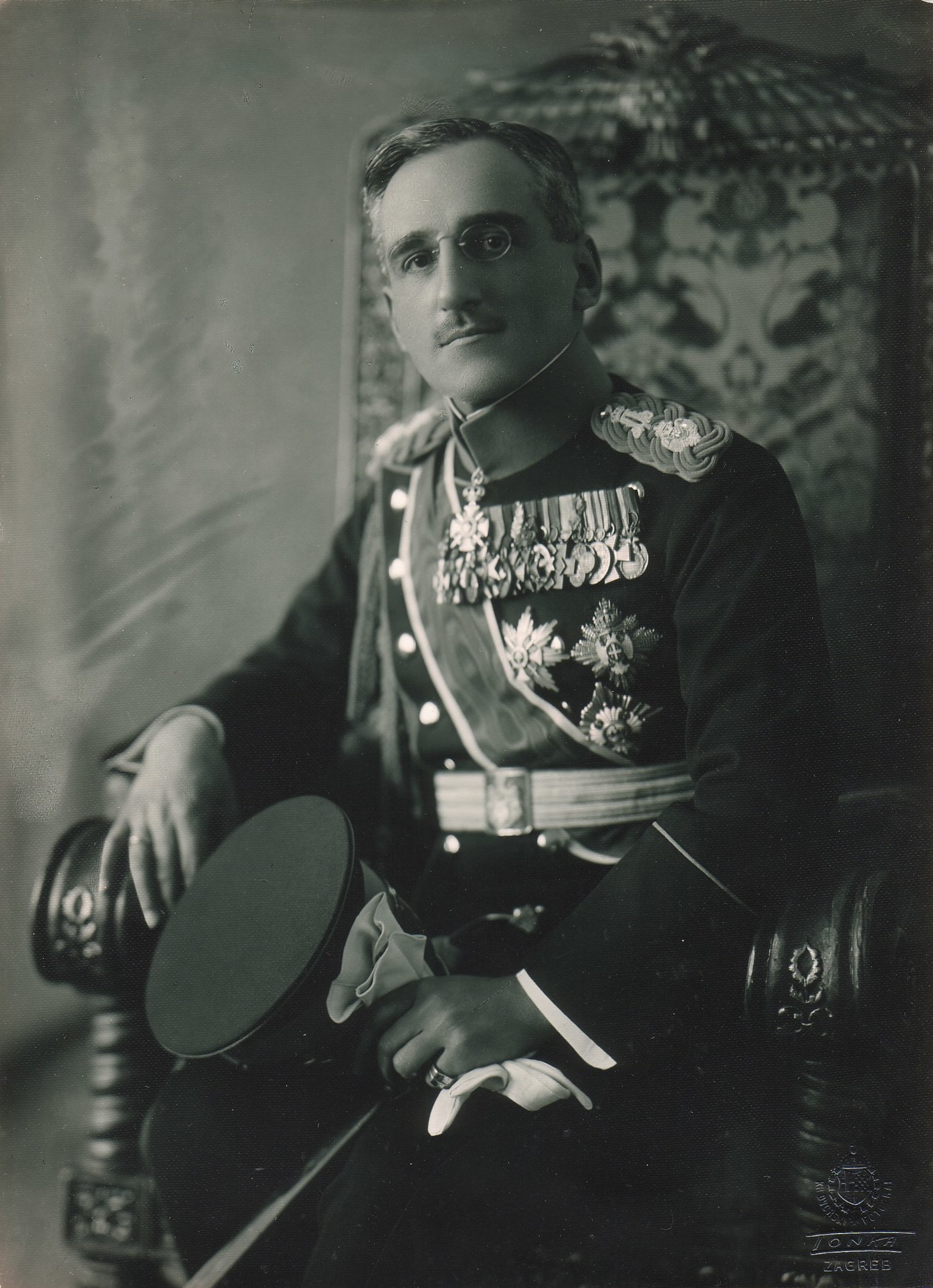
Alexander I, King of Yugoslavia
prev. King of Serbs, Croats, and Slovenes

Information and Image Obtained From Wikipedia, the free encyclopedia

Yugoslavia, French Inspired Banknotes


Yugoslavia 1000 Dinara 1931 Circulated
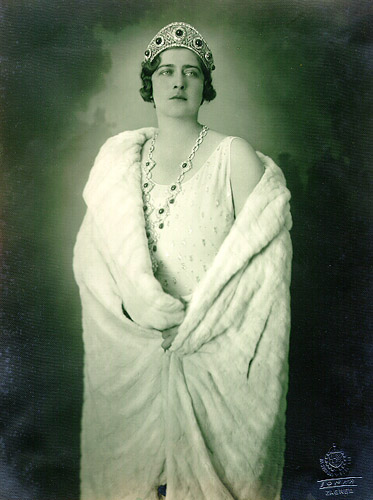
Front: Queen Maria of Romania


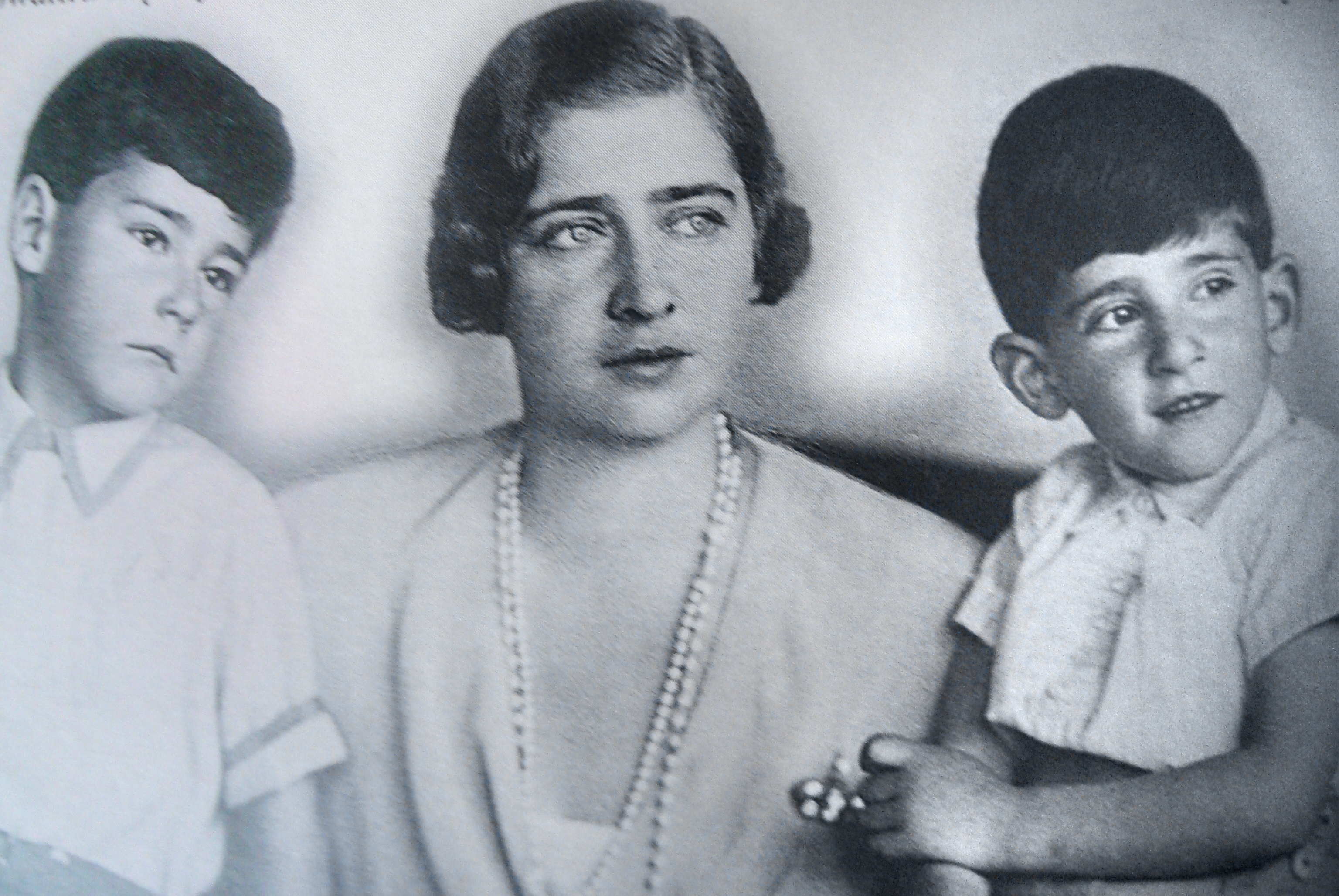
Maria of Romania (6 January 1900 – 22 June 1961) was queen consort to King Alexander I of Yugoslavia. Maria was born in Gotha, Thuringia in Germany, during the reign of her maternal grandfather Duke Alfred of Saxe-Coburg and Gotha, and during the Romanian reign of her granduncle King Carol I. She was known as Mignon in the family to distinguish her from her mother. Her mother was Marie of Edinburgh, a daughter of Prince Alfred, Duke of Edinburgh, a son of Queen Victoria of the United Kingdom. Her maternal great-grandfather was Emperor Alexander II of Russia. Maria's father was King Ferdinand I of Romania. She married Alexander I, King of the Kingdom of Serbs, Croats and Slovenes in Belgrade on 8 June 1922, and raised three sons:

* King Peter II (1923–1970)
* Prince Tomislav (1928–2000)
* Prince Andrej (1929–1990)

She became Queen Mother of Yugoslavia when, following the assassination of King Alexander in Marseille in 1934, her oldest son became Peter II of Yugoslavia, the last Yugoslav king. She moved to a farm in England and lived a relatively normal life, without royal extravagance. Maria was well educated. She spoke several languages fluently and enjoyed painting and sculpting. She also drove a car by herself[citation needed], which was very unusual at the time. She died in exile in London on 22 June 1961 and is interred at the Royal Burial Ground at Frogmore, which adjoins Windsor Castle. Queen Maria was well loved, and respected, by the people of Yugoslavia and continues to be well thought of. She remains, in the eyes of the Serbian people, one of the greatest humanitarian patron's of the Balkan region. Streets are named in her memory, such as “Ulica kraljice Marije” or “Queen Maria Street”, and numerous schools and other organizations still carry her name.


Queen Maria with her younger sons, Tomislav and Andrej

Information and Image Obtained From Wikipedia, the free encyclopedia

Yugoslavia, French Inspired Banknotes


Yugoslavia 1000 Dinara 1941

Yugoslavia, French Inspired Banknotes


Yugoslavia 100 Dinara 1929 G
Front: Woman with Sword
Back: Sailing Boats
Related Posts with Thumbnails